After the Handoff: What a Breeder's Long-Term Commitment Really Looks Like
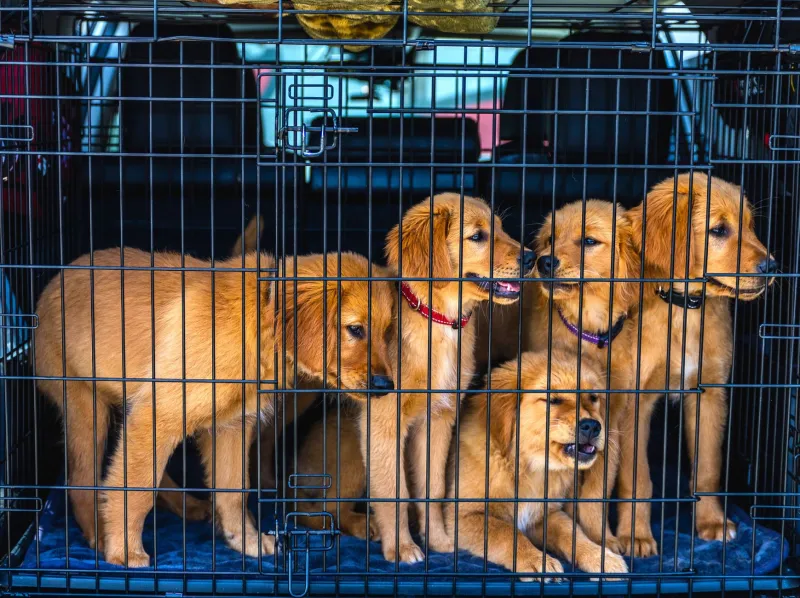
The day you pick up your puppy is exciting. It's also, if we're being honest, a little overwhelming. You've done your research, asked the right questions, maybe visited the kennel more than once. You feel ready. And then you get home, and the puppy cries all night, refuses to eat, and chews through a sandal in the first forty-eight hours.
That's when you find out whether your breeder is actually in your corner — or whether the relationship ended the moment you signed the paperwork.
At Applewood Kennels, we think about this a lot. Because the reality is, a puppy leaving our care is just the beginning of a long story. And we'd rather be a chapter in every part of it than just the opening line.
The Transaction Mindset vs. The Partnership Mindset
There's a version of dog breeding that treats each sale as a completed event. Puppy goes home, money changes hands, done. Some operations function this way — and buyers often don't realize it until they're six months in, dealing with a behavioral issue or a health scare, and the person they bought from is suddenly very hard to reach.
Then there's the partnership mindset. This is where responsible breeders actually live. It means the sale isn't a finish line — it's a starting gun. The relationship between a breeder and a puppy buyer is supposed to extend through the dog's entire life, because a good breeder has a stake in how that life goes. Not just emotionally, but ethically.
When you breed dogs with intention — selecting for temperament, health, and structure — you're making a promise with every litter. That promise doesn't expire at eight weeks.
What Ongoing Support Actually Looks Like in Practice
Lifetime breeder support isn't a vague concept. It shows up in specific, practical ways that make a real difference for dog owners navigating the unpredictable terrain of pet ownership.
Behavioral guidance through the hard stages. Puppies go through fear periods. Adolescents test limits. Adult dogs can develop anxieties or reactivity that seems to come out of nowhere. A breeder who knows the breed inside and out — including the specific lines they've produced — can offer context that a general trainer or a Google search simply can't. They know what's typical for their dogs, what's worth addressing immediately, and what usually resolves on its own with consistency.
Health check-ins that go beyond the puppy guarantee. Most reputable breeders offer some form of health warranty, but that's a floor, not a ceiling. Staying available as dogs age — answering questions about joint health, nutrition adjustments for senior dogs, or what symptoms might warrant a vet call — is part of being genuinely invested in the animals you've produced.
Breed-specific insight you won't find on a general pet website. Every breed has quirks. Some are well-documented; others are things you only learn from years of working with a specific gene pool. A good breeder is a living resource for that kind of knowledge, and they should be willing to share it freely with the families who've trusted them.
The Hardest Part: Taking Dogs Back
Life changes. Jobs relocate. Families grow or shrink. Allergies develop. Divorces happen. Sometimes, despite everyone's best intentions, a dog ends up in a situation where staying in the home isn't viable.
A responsible breeder has a policy for this — and it's not negotiable. If a dog from their program can't stay in its current home, they want to know about it. Taking a dog back, or actively helping to rehome it through vetted channels, is part of the ethical obligation that comes with putting a litter on the ground.
This matters for a few reasons. First, it keeps dogs out of shelters and rescue situations that could have been prevented. Second, it ensures that animals from the breeder's program are tracked — which is important for understanding long-term health and temperament outcomes across a bloodline. Third, it's just the right thing to do.
At Applewood, we've always maintained that a dog we've bred is, in some sense, always our responsibility. We want to know where they land if things don't work out. That's not a burden — it's a commitment we take seriously.
Communication That Doesn't Drop Off After Week One
One of the simplest things a breeder can do — and one that's surprisingly rare — is just stay in touch. Checking in at the three-month mark. Being reachable when a buyer has a question at year two. Celebrating milestones. Being a resource when a dog enters its senior years and the owner is navigating new territory.
This kind of ongoing communication builds something valuable: trust. And trust makes buyers more likely to reach out early when something seems off, rather than waiting until a small issue has become a big one.
It also reinforces something important for the breeder: feedback. Knowing how dogs from a given pairing develop over time is invaluable information for making better breeding decisions down the road. A breeder who stays connected to their buyers isn't just being nice — they're doing their job more thoroughly.
Why This Should Matter to You as a Buyer
If you're in the process of finding a puppy, the question of post-sale support might not be at the top of your list. You're probably thinking about temperament, health testing, socialization, price. All of those things matter.
But add this to your checklist: ask the breeder what happens after you go home. Ask what their policy is if life circumstances change and you can't keep the dog. Ask how reachable they are when you have questions a year from now, or five years from now.
The answers will tell you a lot about what kind of operation you're actually dealing with.
A breeder who's thought carefully about these questions — and has clear, consistent answers — is one who understands that their work doesn't end at the kennel gate. That's the kind of breeder worth investing in.
The Long View
Dogs live ten, twelve, sometimes fifteen or more years. That's a long time to be on your own if the person who bred your dog has already moved on.
At Applewood Kennels, we've built our reputation in Arizona on the idea that every dog we place is a long-term relationship, not a completed transaction. The desert has a way of reminding you that things built to last require more than a good start — they require consistent care, attention, and commitment through every season.
We think breeding dogs is the same way. The real measure of a responsible breeder isn't the puppy you hand over on pickup day. It's who picks up the phone five years later when you need them.