Puppy Placed, Family Gone: How Good Breeders Stay Connected When Life Takes You Somewhere New
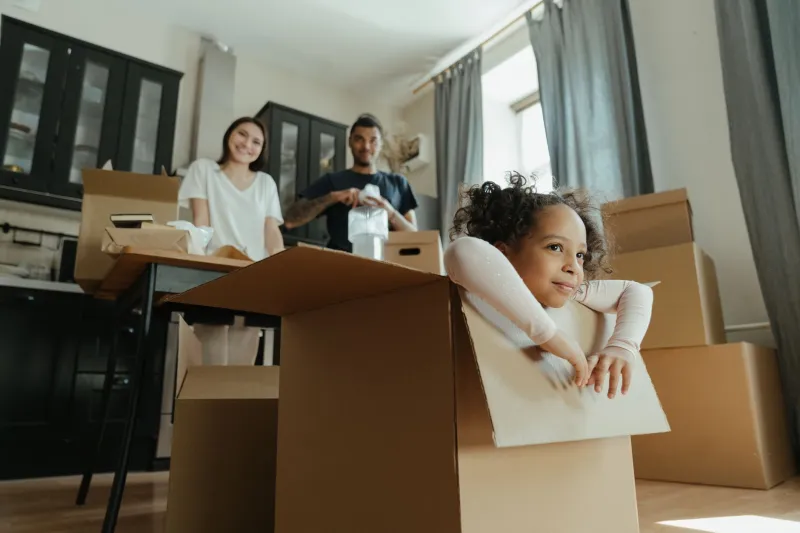
You found the right breeder, asked all the right questions, passed the home check, and finally brought home the dog you'd been waiting months for. Life is good. Then six months later — job transfer. Military orders. A cross-country move to somewhere with actual winters.
It happens more than people realize. And when it does, a lot of buyers assume that chapter of the breeder relationship quietly closes. But for breeders who take their placements seriously, that's not how it works at all.
The Part Nobody Plans For
When someone purchases a puppy from a kennel like Applewood, the placement conversation covers a lot of ground — temperament, training approach, feeding schedules, vet recommendations, how to handle the first few nights. What rarely comes up is the question: what if you move?
And yet, life is unpredictable. People relocate. Careers shift. Families follow opportunities across state lines. A puppy placed in the Phoenix suburbs might end up spending most of its life in Minnesota or Vermont — environments that couldn't be more different from the Arizona desert where it was born and raised.
For breeders who've built long-term relationships with the families they place dogs with, a move like that doesn't signal the end of the connection. It actually triggers a new round of support.
Climate Is a Bigger Deal Than Most People Think
Dogs are adaptable creatures, but dramatic environmental shifts — especially from a hot, dry climate to a cold, wet one — aren't something animals just shake off overnight. A dog raised in Arizona has spent its early life in conditions that include intense heat, low humidity, and lots of sun. Its coat, its activity patterns, its hydration habits — all of it has been calibrated to that environment.
Move that same dog to, say, upstate New York in October, and the adjustment isn't just physical. Cold weather affects energy levels. Wet conditions change paw health. Snow and ice introduce entirely new hazards for dogs that have never encountered either. A dog that was perfectly comfortable lounging on a shaded patio in Tempe might be genuinely confused — and uncomfortable — the first time it steps onto frozen ground.
Responsible breeders anticipate this. They know what their dogs are built for and what kind of preparation a family needs before a major climate transition. That's not information most buyers think to ask for at the time of purchase, but it's exactly the kind of guidance a good breeder is positioned to give when the situation arises.
What Breeders Actually Do When Families Move
This is where the difference between a transactional breeder and a committed one becomes really obvious.
A transactional breeder hands over papers and wishes you luck. A committed breeder — the kind worth your time and money — stays in the loop. When a family reaches out to say they're relocating, a good breeder's response isn't a shrug. It's a conversation.
That conversation might cover things like:
- Coat care adjustments. Some breeds may need changes to grooming routines when moving to colder, wetter climates. What worked in Arizona might not be the right approach in the Pacific Northwest.
- Diet and weight management. Cold-weather dogs often burn more calories in winter months. A breeder who knows the dog's history can offer informed guidance on whether feeding amounts should shift.
- Exercise and acclimation. Jumping straight into long outdoor sessions in sub-freezing temps isn't great for a dog that's never experienced cold. Breeders can help families think through a gradual adjustment plan.
- Vet referrals or regional resources. A good breeder often has connections — or at least strong opinions — about what to look for in a new vet, especially if the dog has any ongoing health considerations the breeder has been tracking.
- Behavioral changes to watch for. Stress from a move can surface in unexpected ways. A breeder who knows the dog's temperament from birth is often better positioned than a new vet to help a family distinguish between normal adjustment behavior and something that warrants attention.
The Emotional Side of It
Let's be honest about something: breeders get attached too. A litter isn't just a product. For most dedicated breeders, those puppies represent months of careful planning, health testing, temperament evaluation, and genuine care. Placing a puppy with a family is an act of trust that goes both ways.
When that family moves across the country, there's a real emotional dimension to navigate. Breeders want to know the dogs they placed are doing well. Most welcome updates — photos, check-ins, the occasional "he just figured out snow and it's the funniest thing we've ever seen" text message. That ongoing connection isn't just sentimental. It's also how breeders track how their lines are aging, how their placements are holding up in different environments, and whether their breeding decisions are producing the kind of adaptable, resilient dogs they're aiming for.
What Buyers Should Do Before They Move
If you've got a dog from a responsible breeder and a relocation is on the horizon, the smartest thing you can do is loop your breeder in early. Don't wait until the moving truck is in the driveway.
Give your breeder a heads-up about where you're going, what the climate is like, and roughly when the move is happening. Ask specifically about anything you should be doing to prepare the dog — not just the logistics of the move itself, but the longer adjustment period after you arrive. A good breeder will have thoughts. Probably more than you expected.
Also ask whether there are any health records, genetic documentation, or breed-specific notes that should be shared with a new vet in your destination state. Continuity of care matters, and a new vet who has complete background on your dog is going to be far more useful than one starting from scratch.
The Long Game
Here's the thing about placing a puppy with a family: the geography of where that family lives is almost beside the point. What matters is whether the dog is thriving and whether the family has what they need to make that happen.
The best breeders understand that the relationship doesn't have a zip code. It doesn't expire when you cross a state line or adjust when the seasons change. It's a commitment that follows the dog — and the family — wherever life takes them.
At Applewood Kennels, we've watched families take dogs from the Arizona desert to places we'd need a winter coat to visit. And every time, the goal is the same: make sure that dog lands well, adjusts fully, and keeps being the companion the family fell in love with. That doesn't stop being our job just because the address changed.