Sun, Sand, and Selective Breeding: How Arizona's Climate Shapes Healthier Dogs
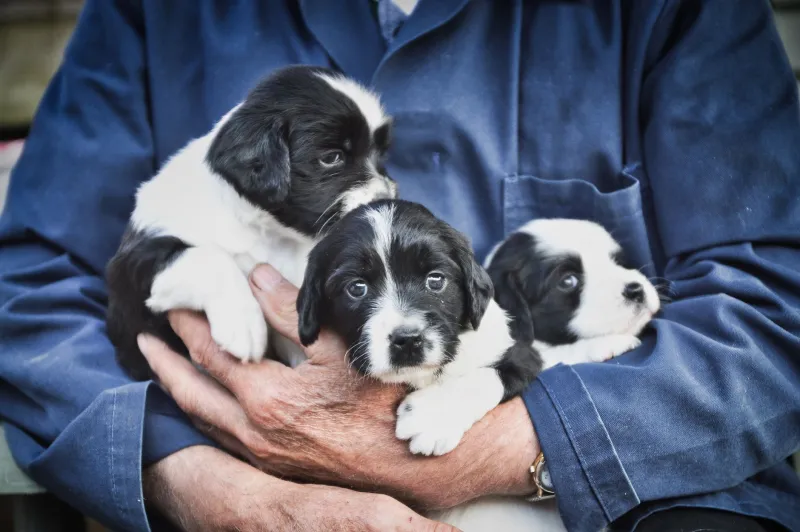
If you've ever stepped outside in Phoenix at 9 AM in July and felt the air hit you like a hair dryer, you already understand something fundamental about life in Arizona. Now imagine raising a litter of puppies in that environment. It's not impossible—in fact, we do it every day here at Applewood Kennels AZ—but it requires a level of intentionality that breeders in cooler climates simply don't have to think about.
The desert Southwest is a stunning place to live, but it's also an unforgiving one. Temperatures regularly push past 110°F in the summer. Humidity can drop below 10 percent. Elevations across the state range from sea level near Yuma to over 7,000 feet in Flagstaff. All of these variables have a real and measurable impact on how dogs develop, how breeds perform, and what responsible breeding actually looks like out here.
Heat Is a Design Constraint, Not Just a Comfort Issue
When we talk about breed suitability for Arizona living, heat tolerance isn't a bonus feature—it's a baseline requirement. Brachycephalic breeds, those short-snouted dogs like English Bulldogs and French Bulldogs, face genuine respiratory challenges in extreme heat. Their anatomy makes it harder to cool themselves efficiently through panting, which is a dog's primary method of thermoregulation. In a state where summer afternoons can be outright dangerous, that matters a lot.
That doesn't mean flat-faced breeds can't thrive in Arizona. It means breeders have an added responsibility to select for dogs with the best possible airway structure, avoid breeding animals that show signs of breathing difficulty, and educate buyers thoroughly on heat management. At Applewood Kennels, health testing isn't a marketing checkbox—it's how we sleep at night.
For breeds that handle heat more naturally, like Vizslas, Weimaraners, or even certain lines of Labrador Retrievers, Arizona can actually be a fantastic environment. These athletic, short-coated dogs were built for warm climates and tend to adapt well. Still, even heat-tolerant breeds need proper acclimation, access to shade and water, and an owner who understands the limits of outdoor activity in summer.
Low Humidity and Puppy Development
Here's something that doesn't get talked about enough: Arizona's notoriously dry air affects more than your skin. Puppies in their first weeks of life are particularly sensitive to environmental conditions. Dehydration risks are elevated in low-humidity environments, and nursing mothers need significantly more water intake to maintain milk production when the air is this dry.
We monitor our whelping areas closely—temperature, humidity levels, airflow—and adjust accordingly throughout the year. In the summer, that means climate-controlled spaces with carefully managed humidity. In the winter, when desert nights can dip into the 30s, it means heating setups that keep newborns in the 85–90°F zone they need during their first two weeks of life.
This kind of environmental awareness isn't glamorous. It doesn't show up in a glossy social media post. But it's exactly what separates a breeder who's paying attention from one who isn't.
Altitude Variations Across the State
Arizona is a geographically diverse state, and that diversity extends to elevation. Families in Flagstaff live at roughly 6,900 feet above sea level. Tucson sits around 2,400 feet. The Phoenix metro area hovers close to 1,100 feet. These differences affect everything from a dog's cardiovascular demands during exercise to how quickly puppies acclimate after leaving the kennel.
When we're placing puppies in high-altitude homes, we have a conversation about this. Dogs moving to significantly higher elevations may need a gradual adjustment period before intense outdoor activity. Certain health conditions—particularly those affecting heart or lung function—can become more apparent at altitude. It's one more reason why thorough health testing of breeding dogs is non-negotiable for us.
Socialization Protocols Built for the Desert Lifestyle
Arizona families have a specific lifestyle, and the puppies we raise need to be ready for it. That means early exposure to the sounds, surfaces, and sensations of Southwest living—the crunch of gravel in a desert landscape, the sound of a swamp cooler running, the feel of warm concrete underfoot, the sight of cacti and open terrain.
Our socialization protocols are intentionally tailored to the environments our puppies are most likely to encounter. We also make sure puppies are comfortable with the routines of Arizona pet ownership: early morning and late evening walks instead of midday ones, time spent in air-conditioned spaces, and the general rhythm of a household that adapts its outdoor schedule around the sun.
Beyond the climate-specific stuff, we follow established early neurological stimulation practices and expose puppies to a wide variety of people, sounds, and experiences before they go home. A well-socialized puppy is a more resilient puppy, and resilience matters a lot when your environment is as dynamic as Arizona's.
What This Means for Buyers
If you're looking for a puppy in Arizona—or planning to bring one here—understanding how your breeder handles the climate question is a legitimate and important part of your evaluation process. Ask where the puppies are raised. Ask how whelping areas are managed in the summer. Ask whether the breeder has experience placing dogs in desert homes and whether they provide guidance on heat safety.
At Applewood Kennels AZ, we've built our entire program around the reality of where we live. The desert isn't a limitation for us—it's shaped us into more thoughtful, more careful breeders. And the puppies that come out of our program are better for it.
Arizona is a beautiful, demanding place. The dogs that thrive here deserve breeders who take that seriously.