10 Things That Separate a Responsible Breeder from a Puppy Mill (And Why It Matters More Than You Think)
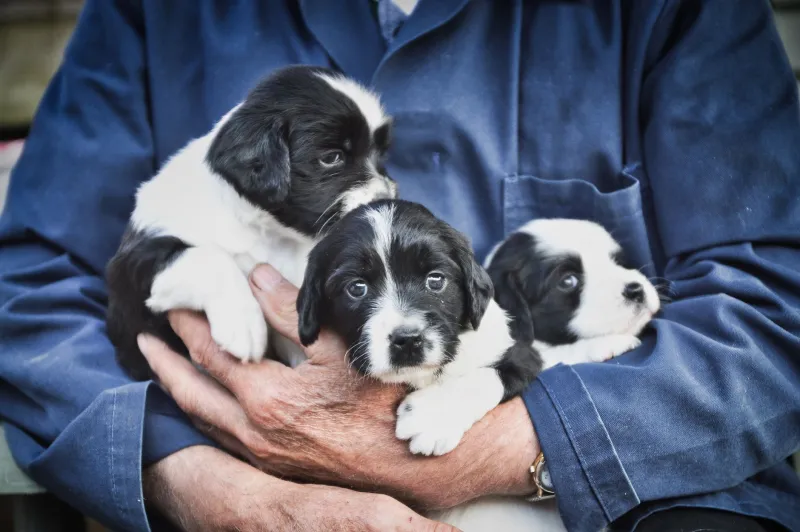
Let's be honest: buying a puppy in the United States can feel like navigating a minefield. Between pet store displays, Craigslist listings, Facebook marketplace ads, and slick websites that look professional but hide troubling realities, it's harder than ever to know who to trust. And the stakes are high—not just for your wallet, but for your family and for the animals themselves.
At Applewood Kennels AZ, we believe an educated buyer is the best kind of buyer. So instead of just telling you how great we are, we're going to give you the tools to evaluate any breeder—including us—with clear, practical criteria. Here are ten things that genuinely separate responsible breeders from operations you should walk away from.
1. Health Testing Is Documented, Not Just Claimed
Any breeder can say their dogs are "healthy." What matters is whether they can prove it. Reputable breeders perform breed-specific health testing on their parent dogs through recognized organizations like the Orthopedic Foundation for Animals (OFA) or PennHIP, and they make those results available to buyers. Depending on the breed, this might include hip and elbow evaluations, cardiac screenings, eye certifications, or DNA panels for hereditary conditions.
If a breeder gets vague when you ask about health testing, or tells you they "just know" their dogs are healthy because they look good, that's a problem. Genetic health issues don't always show up visually, and the only way to know is to test.
2. You Can Visit—and You're Encouraged To
Legitimate breeders welcome visits. They want you to see where the puppies are raised, meet the parents (or at least the mother), and get a feel for the environment. If a breeder makes excuses about why you can't come by, insists on meeting in a parking lot, or only communicates through a contact form with no phone number, treat that as a serious red flag.
Puppy mills and backyard operations often hide their conditions for good reason. A breeder who's proud of their setup will show you around without hesitation.
3. The Parent Dogs Are Healthy, Social, and Well-Cared-For
The condition of a breeder's adult dogs tells you everything. Are they at a healthy weight? Do they have clean coats, clear eyes, and good energy? Are they friendly and comfortable around people, or anxious and shut down? Parent dogs in high-volume, low-care operations often show signs of chronic stress—repetitive pacing, fearfulness, excessive barking, or physical neglect.
A good breeder's adult dogs are part of the family, not production units. That distinction shows up in how those dogs look and behave.
4. Breeding Frequency Is Reasonable
Responsible breeders don't run their females ragged. Most ethical guidelines recommend that a female dog not be bred more than a certain number of times over her lifetime, with adequate rest between litters. The American Kennel Club, for example, has registration policies that reflect these limits.
If a breeder has multiple litters available at all times and seems to always have puppies ready immediately, ask questions. High-volume output is a hallmark of profit-first operations that prioritize quantity over the health and welfare of their breeding dogs.
5. They Ask You Questions Too
This one surprises a lot of first-time buyers. A breeder who cares about where their puppies end up will interview you as much as you interview them. They'll want to know about your living situation, your experience with dogs, your activity level, your family setup, and your long-term plans.
If a breeder is happy to sell to anyone with a credit card and no questions asked, that tells you something about their priorities. The best breeders turn away buyers who aren't the right fit—and they're comfortable doing it.
6. A Written Contract Covers Health Guarantees and Return Policies
Every legitimate breeder should provide a written purchase contract. That document should outline what's covered under a health guarantee, what happens if a puppy develops a genetic condition, and—critically—what the breeder expects if the buyer can no longer keep the dog. Most responsible breeders include a clause requiring that the dog be returned to them rather than surrendered to a shelter.
No contract, no guarantee, or a contract full of vague language that benefits only the seller? Walk away.
7. Puppies Aren't Sent Home Too Early
Eight weeks is the minimum age at which puppies should leave their mother and littermates in most states, and for good developmental reasons. The socialization that happens between six and eight weeks—learning bite inhibition, reading canine body language, building emotional resilience—is foundational. Puppies taken away too early often struggle with anxiety, aggression, and behavioral challenges throughout their lives.
If a breeder is offering puppies at five or six weeks, or pressuring you to pick up early, that's a sign they're not prioritizing the puppy's developmental needs.
8. Registration and Affiliations Are Real and Verifiable
AKC registration, breed club memberships, and kennel certifications all mean something—but only when they're genuine. Verify registration numbers. Look up breed club membership lists. Check whether the kennel has any complaints filed with the Better Business Bureau or state agricultural agencies.
Some disreputable breeders create fake-looking certifications or use registry names that sound official but aren't recognized by any legitimate organization. Do your homework before you hand over a deposit.
9. They're Transparent About Pricing—and the Price Reflects Real Costs
Quality breeding is expensive. Health testing, veterinary care, quality nutrition, socialization programs, proper facilities—it all adds up. A puppy priced suspiciously low is often a sign that corners are being cut somewhere, usually at the expense of the dogs.
Conversely, high prices alone don't guarantee quality. What matters is whether the breeder can explain what's included in the price and why. Transparency here is everything.
10. They Stay in Touch After the Sale
The relationship between a responsible breeder and a puppy buyer doesn't end at pickup. Good breeders stay available for questions, provide guidance during the transition period, and genuinely care about how their puppies are doing months and years down the line. Many maintain communities of past buyers and host reunion events or keep in touch through social media.
If a breeder disappears the moment the transaction is complete, you have to wonder whether their interest was ever really in the dog.
The Bottom Line
We hold ourselves to every standard on this list at Applewood Kennels AZ—and we're happy to be evaluated on all of them. We encourage every prospective buyer to ask hard questions, request documentation, and take their time before committing. A puppy is a ten-to-fifteen-year relationship. It deserves more than a five-minute decision.
The dogs we raise deserve owners who went in with their eyes open. And the industry as a whole gets better when buyers know what to demand.