Behind the Clipboard: The Records Responsible Breeders Keep That Actually Shape Your Future Dog
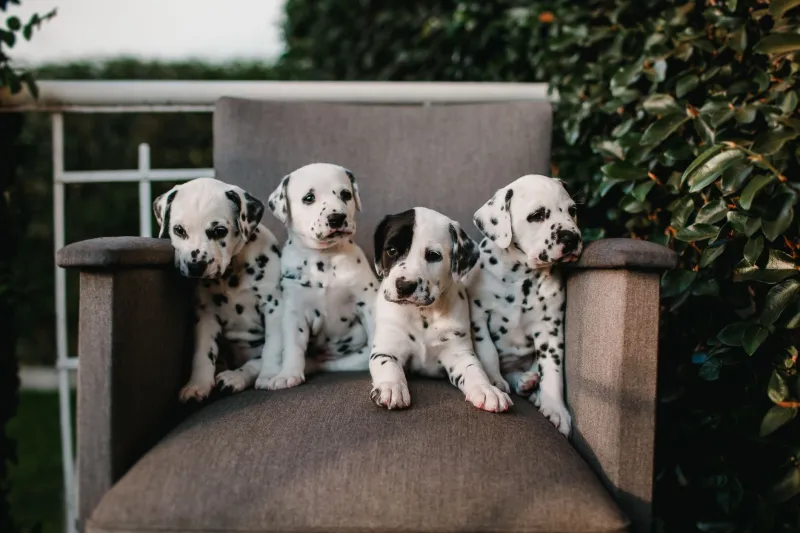
When most people picture a dog breeder, they imagine puppies tumbling over each other in a warm whelping box. Maybe a proud mama dog lounging nearby. It's a sweet image, and honestly, it's not wrong. But there's another image that doesn't make it onto the Instagram feed—the one where a breeder is hunched over a notebook at midnight, logging behavioral observations for a litter that's barely three weeks old.
That notebook? It's one of the most important tools in the whole operation.
At Applewood Kennels AZ, we've always believed that the real work of breeding happens long before a puppy ever meets its family—and long after, too. Here's what that actually looks like in practice.
It Starts Before the Litter Is Even Planned
Responsible breeding isn't reactive. You don't just put two dogs together and hope for the best. Before a pairing is ever considered, there's a review of what we already know—about the dam, the sire, and ideally several generations back on both sides.
We're looking at things like:
- Temperament patterns across previous litters. Did this dam consistently produce confident, curious pups? Were there outliers with anxiety tendencies? What did those dogs look like at six months versus two years?
- Health outcomes over time. Not just clearances at the time of breeding, but how dogs from previous pairings aged. Did they develop joint issues? How were their hearts at five, seven, ten years old?
- Behavioral feedback from owners. This is huge. When families report back on how their dog is doing—socially, physically, emotionally—that information feeds directly back into breeding decisions.
None of this exists in a vacuum. It builds, year over year, into a body of knowledge that makes future litters more predictable, more stable, and more genuinely suited to family life.
What Gets Tracked in the Whelping Box
Once a litter arrives, the documentation kicks into high gear. This is where casual breeders and serious ones really start to diverge.
From the first days of life, we're noting things like birth weight and early growth curves, which pups are the confident early nursers versus the ones who need a little extra encouragement, and how each puppy responds to basic handling. That last one matters more than most people realize. A pup who startles easily at three days old and another who barely flinches are already showing you something about their nervous systems.
As the weeks progress, those observations get more nuanced. We watch how littermates interact—who's assertive, who's collaborative, who tends to hang back. We note reactions to new sounds, new surfaces, new people coming into the whelping area. In Arizona, we also pay attention to how pups handle warmth and environmental variation early on, since dogs raised here need to be comfortable in conditions that would stress out a breed accustomed to cooler climates.
None of this is guesswork. It's systematic, consistent observation recorded the same way across every litter so that patterns actually emerge over time.
Temperament Testing Isn't a One-Time Snapshot
A lot of buyers have heard of puppy temperament tests—the kind done around seven weeks where a stranger comes in and runs the pups through a series of evaluations. Those tests are useful, but they're just one data point. Good breeders know that temperament is a moving target, especially in the early weeks.
What we're building is more like a behavioral timeline. We're watching the same puppies across multiple weeks, in multiple contexts, with multiple people. A pup might be bold and exploratory in week four but show a brief sensitivity window in week six—totally normal developmentally, but worth noting. A pup who seems quiet and reserved might just be an observer by nature, or might be showing early signs of a more anxious temperament. The difference matters enormously for placement.
This is also where owner feedback loops back in. When we hear from a family two years down the road that their dog is exceptional with kids but needs slow introductions to strangers, we don't just nod and move on. We add that to the record. That dog's parents are noted. That pattern, if it shows up across multiple offspring, becomes a factor in future breeding decisions.
Health Patterns Across Generations
Here's something that often surprises buyers: health clearances at the time of breeding are necessary but not sufficient. A dog can pass every OFA and genetic screening available and still produce offspring who develop issues later in life—because not every heritable condition is fully understood or testable yet.
This is why longitudinal health tracking is so valuable. When we follow dogs from our program into their senior years, we build a real picture of how our lines age. We learn which health patterns keep showing up and which ones our selective breeding decisions have successfully reduced over time. We learn where we need to be more careful in future pairings.
That kind of data doesn't exist anywhere except in the records of breeders who are paying attention and keeping notes across decades, not just litters.
What This Means for Your Puppy
When you bring home a puppy from a breeder who keeps this kind of documentation, you're not just getting a dog. You're getting the accumulated knowledge of every dog that came before yours.
That knowledge is why a responsible breeder can look at a litter and tell you with reasonable confidence which pup is likely to thrive in a busy household with young kids and which one would do better as an only dog with a quieter routine. It's why they can give you a realistic picture of what your dog's energy level and health trajectory might look like at three years, five years, ten years.
It's also why they sometimes make placement decisions that feel counterintuitive to buyers. You might fall in love with a particular puppy, only to have the breeder steer you toward a different one. That's not arbitrary. That's the notebook talking.
The Unglamorous Truth About Quality Breeding
Nobody's going viral for posting their litter observation spreadsheets. The record-keeping side of responsible breeding is tedious, time-consuming, and completely invisible to most buyers. But it's the difference between a breeder who's genuinely improving their lines over time and one who's just producing puppies.
At Applewood Kennels AZ, the clipboard and the whelping box go hand in hand. The cute factor is real—we're not immune to a puppy pile any more than you are. But the data is what makes sure those puppies grow into the dogs their families actually needed.
That's the work. And it's worth every late night.