Not Every Star Puppy Becomes a Breeding Dog: The Hard Choices Behind Every Litter
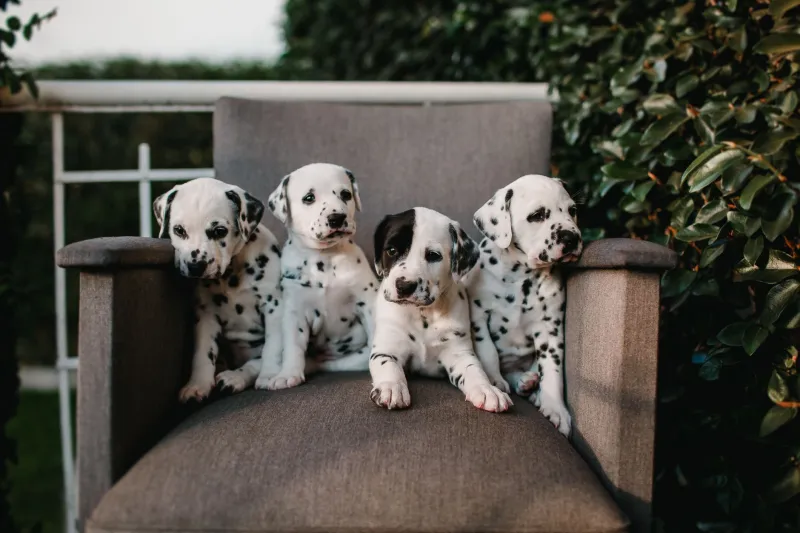
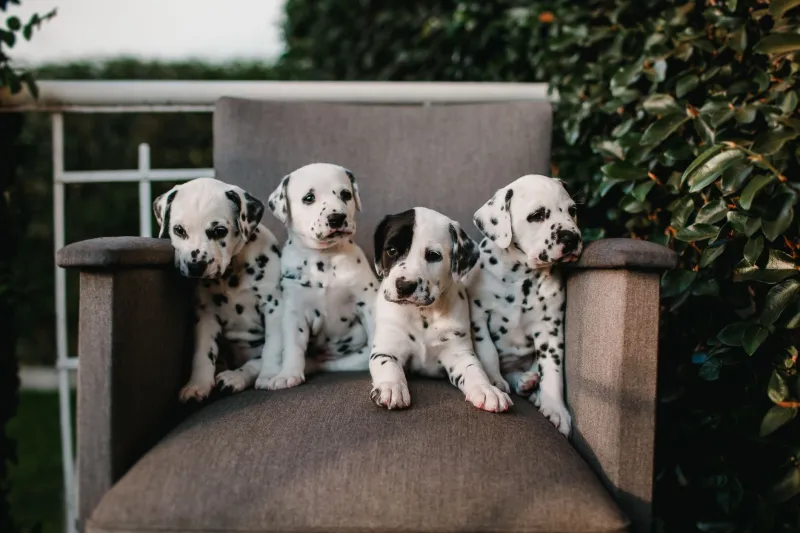
Every litter has one. That puppy who comes out of the whelping box like it owns the place — the one who nurses first, opens its eyes earliest, and trots over to meet your hand before its littermates have even figured out their legs. Breeders call them different things depending on who you ask: the "pick puppy," the "keeper," the one with the most promise. And for a short, magical window of time, that puppy feels like a sure thing.
Then real life kicks in.
The honest truth about breeding dogs — something most buyers never see from the outside — is that the puppies who look most impressive at five or six weeks don't always grow into the adults a responsible program actually needs. That gap between early promise and long-term potential is one of the most quietly difficult parts of the job. And at Applewood Kennels AZ, it's a tension we navigate with every single litter we raise.
What "Breeding Prospect" Actually Means
When a breeder looks at a litter and starts thinking about which puppy might stay in the program, they're not just picking a favorite. They're asking a completely different set of questions than a family buyer would ever think to ask.
A family wants a dog that's healthy, friendly, and a good fit for their lifestyle. Those are legitimate priorities, and they matter enormously to us. But a breeding prospect has to clear a much higher bar. That puppy needs to contribute something meaningful to the next generation — whether that's structural soundness, a cleaner genetic health profile, a stronger working drive, or temperament qualities that the line genuinely needs more of.
It's less about which puppy is the "best" in any simple sense, and more about which puppy, if bred thoughtfully, would make the next litter better than this one.
The Early Evaluation Window — And Its Limits
Breeders spend a lot of time observing puppies in those first eight weeks. Temperament testing, structural assessments, early socialization responses — all of it provides useful data. A puppy that shows confidence without aggression, recovers quickly from mild stress, and moves with good natural balance is absolutely worth noting.
But here's what experienced breeders know that newer ones sometimes learn the hard way: puppies are not finished products. A pup that dominates the litter at six weeks may mellow out completely by adolescence. A quiet, unassuming littermate might develop into a structurally superior adult with a steadier working temperament. Early impressions are a starting point, not a verdict.
That's why responsible breeders don't make final decisions about breeding prospects at eight weeks. The evaluation is ongoing — sometimes for months, sometimes for over a year — and it involves health testing that simply can't be done until a dog reaches physical maturity.
When the Dream Dog Doesn't Pan Out
This is the part nobody really talks about, and it carries more emotional weight than you might expect.
Imagine raising a puppy from birth with the genuine hope that she'll become the next cornerstone of your program. You've watched her from day one. You've done her early neurological stimulation, her first baths, her first field trips. You've named her something that felt important. And then, somewhere around 18 months, her hip prelims come back with findings that put her breeding future in serious question.
Or her temperament, which was so bold and promising as a pup, has shifted into something that reads as anxiety under real-world pressure — not the kind of steady confidence you want passing into the next generation.
Or she's simply, structurally, not quite what the program needs. Not a bad dog. Not even a flawed dog. Just not the right dog for this particular purpose.
That's not a failure. It's the system working exactly as it should. But it doesn't make the decision feel any lighter.
What Happens to Those Dogs
Here's something worth understanding: a dog that doesn't make the cut as a breeding prospect isn't a consolation prize. In many cases, they become extraordinary family companions — and that's not a downgrade. It's a different kind of success.
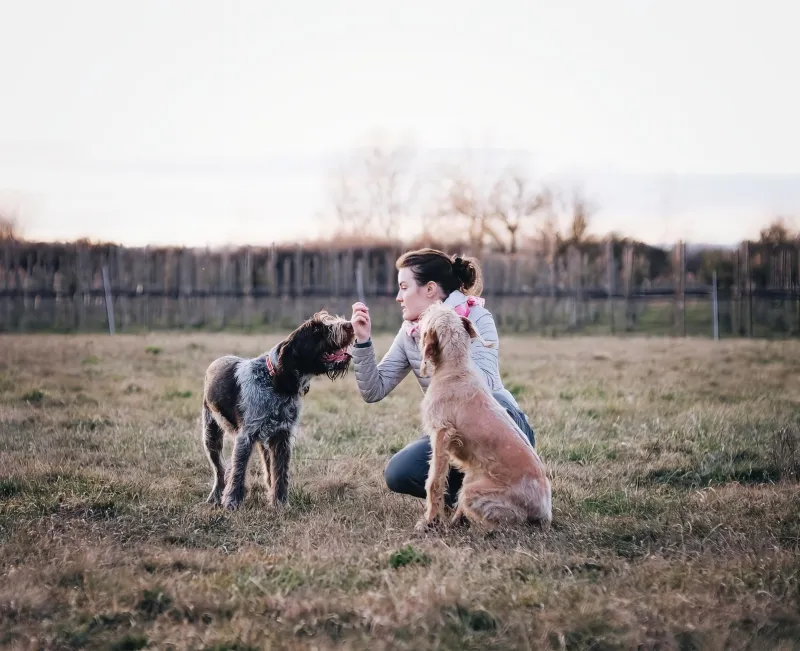
Dogs placed as companions often benefit from the same careful early development that goes into breeding prospects. They've had the same socialization, the same health monitoring, the same thoughtful handling. The only thing that's changed is the role they'll play going forward.
At Applewood Kennels AZ, we're transparent with families about where a puppy falls in our assessment. If we're placing a dog as a companion rather than a breeding prospect, that comes with appropriate contract terms — typically a spay/neuter agreement — and it doesn't mean the dog is somehow lesser. It means we've matched that dog's strengths to the right context.
The Tension Between Heart and Program
Ask any long-time breeder about the hardest part of the job, and this comes up more often than you'd think. The pull between what your heart wants and what your program actually needs is real.
Sometimes the puppy you've fallen most in love with is the one you have to let go — because placing her with a great family serves her better than holding her back for a breeding role that may never materialize. Sometimes you keep a dog you weren't originally planning on because the health testing comes back exceptional and the temperament at maturity is exactly what the line has been missing.
Good breeders learn to hold their early assessments loosely. They stay curious, stay patient, and stay honest with themselves even when the honest answer isn't the one they were hoping for.
Why This Matters to You as a Buyer
If you're looking for a puppy from a responsible breeder, understanding this process matters for a few reasons.
First, it should give you confidence. A breeder who's willing to set aside a puppy they've invested months of hope in — because the health data or temperament development doesn't support a breeding role — is a breeder who prioritizes the integrity of their program over ego or convenience. That's exactly the kind of judgment you want shaping the puppy you bring home.
Second, it should reframe how you think about "companion placement" dogs. These aren't the rejects. They're often dogs who simply fit a different chapter of the story — yours.
And third, it should help you appreciate why good breeders sometimes can't tell you with certainty which puppy you'll be getting until they've had time to watch the litter develop. That patience isn't evasion. It's the job being done right.
The Long View
Breeding well is a long game. The decisions made in a single litter ripple forward into future generations in ways that are genuinely hard to predict and impossible to fully control. That uncertainty is part of what makes it humbling work.
At Applewood Kennels AZ, we believe the best thing we can do — for the dogs, for the families who love them, and for the breeds we're committed to — is stay honest throughout that process. Even when the honest answer means letting go of a dog we really wanted to keep. Even when early promise gives way to a different kind of future than the one we imagined.
Not every star puppy becomes a breeding dog. And that's okay. Sometimes the best thing a promising puppy can do is grow up to be exactly what one lucky family has been waiting for.