Same Litter, Different Dogs: What Your Puppy's Pedigree Can't Actually Promise You
Let's be honest about something that doesn't get said enough in the dog breeding world: that beautifully formatted pedigree you're holding? It tells you a lot of things. It does not tell you whether your puppy is going to be the bold one who charges headfirst into every new situation, or the thoughtful one who hangs back and watches before deciding the world is safe.
That distinction matters—a lot—and yet buyers come to us all the time expecting that a top-tier bloodline is basically a personality blueprint. It isn't. And understanding why can save you from a whole lot of confusion down the road.
What a Pedigree Actually Tells You
A strong pedigree is genuinely valuable. It tells you about health history, structural tendencies, and the general behavioral traits a breed has been selected for over generations. When you see consistent titles, health clearances, and working certifications across multiple generations, that's meaningful information. It suggests the breeder has been thoughtful and intentional about the dogs they're producing.
But here's the nuance that often gets lost: genetics set the range of possibilities. They don't pick a single outcome and lock it in.
Think of it like height in humans. Two tall parents are more likely to produce tall kids—but they might also have one kid who's 5'10" and another who's 6'4". Same parents, same genetic pool, different expression. Dogs work the same way, and when you factor in behavioral traits—which are influenced by dozens of genes interacting in complex ways—the variation can be even more pronounced.
The Littermate Paradox
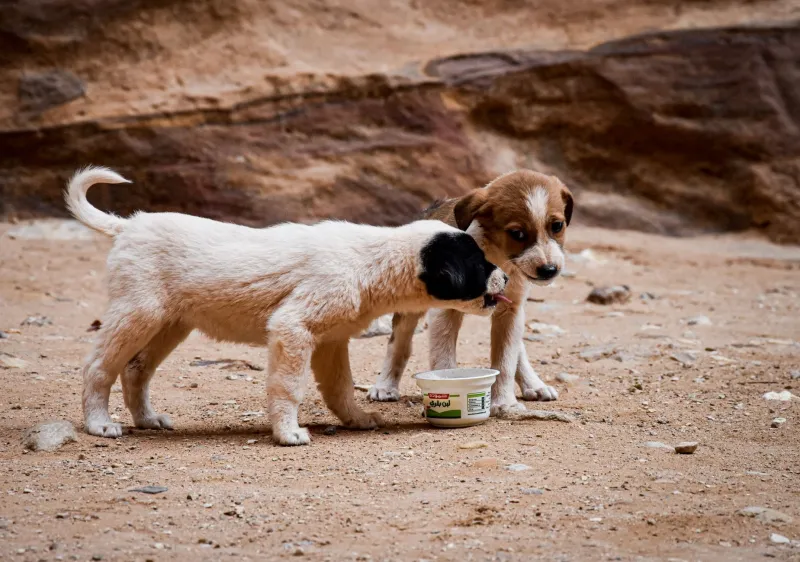
Here's something that surprises a lot of first-time buyers: two puppies born minutes apart, raised in the same whelping box, can develop into remarkably different adult dogs.
One might be naturally confident and socially fearless. The other might be more sensitive, slower to warm up, and genuinely happier with a quieter household. Same mom, same dad, same first eight weeks of life—completely different internal wiring.
This isn't a flaw in the breeding program. It's biology doing what biology does. Even within a carefully managed litter, each puppy experiences slightly different things in the womb, has unique neurological development, and responds differently to the same early stimuli. By the time those puppies are old enough to go home, individual variation has already started shaping who they are.
The Windows That Actually Shape Your Dog
Genetics get a lot of attention, but developmental windows are where a huge chunk of personality actually gets built—and this is territory that no pedigree can touch.
The socialization window, which runs roughly from three to twelve weeks, is one of the most powerful forces in a dog's behavioral development. What a puppy encounters during this period—sounds, surfaces, people, other animals, novel environments—shapes how they interpret the world for the rest of their lives. A well-bred puppy who misses meaningful socialization during this window can develop fears and anxieties that no amount of training fully erases. Conversely, a puppy with more modest genetics who gets rich, positive exposure during those weeks can grow into a genuinely confident, adaptable dog.
This is one reason we put so much energy into early socialization here at Applewood Kennels. Arizona gives us a genuinely diverse environment to work with—desert heat, monsoon storms, busy outdoor spaces, all of it. We expose our puppies to as much of that as responsibly possible before they ever leave us. But we're also honest: what happens after they leave matters enormously, and that part is on you.
What Good Breeders Can Actually Promise
A responsible breeder isn't selling you a finished product. They're giving you a well-started puppy with a solid genetic foundation and the best possible early start. That's genuinely valuable—but it has limits.
Here's what a good breeder can reasonably offer:
- Health clearances on the parents, reducing the odds of inherited conditions
- Breed-appropriate temperament tendencies, based on generations of selection
- Early socialization that sets puppies up for adaptability
- Honest assessment of individual puppies within the litter
- Ongoing support as you navigate puppyhood and beyond
Here's what no breeder can honestly promise:
- That your specific puppy will have a specific personality
- That your dog will never develop fear, anxiety, or behavioral quirks
- That the temperament you see at eight weeks will perfectly predict the adult dog
Anyone who tells you otherwise is either oversimplifying or overselling.
Why Temperament Testing Helps—But Isn't a Crystal Ball Either
Many reputable breeders use some form of temperament evaluation before placing puppies. These assessments—done around seven weeks—can offer useful insight into where individual puppies fall on the confidence spectrum, how they respond to novel stimuli, and what kind of home environment might suit them best.
We find these evaluations genuinely helpful for matching puppies to families. A high-energy, push-forward puppy probably isn't the right fit for a quiet apartment household. A more sensitive, people-focused puppy might thrive with a calm family and struggle with a chaotic one.
But even the best temperament test is a snapshot, not a forecast. Puppies are in constant development. A puppy who tests as moderately confident at seven weeks might blossom into a genuinely bold adult with the right experiences—or might stay on the cautious side if their early months are thin on positive exposure. The test informs the placement; it doesn't write the ending.
The Part Nobody Talks About: Embracing the Unknown
There's a reason people love dogs as much as they do, and some of it is tied directly to the fact that they surprise us. The puppy you brought home because you wanted a laid-back couch companion might turn out to be the dog who convinces you to start hiking. The one you picked for your active lifestyle might decide, around age three, that naps are actually the point.
That unpredictability isn't a bug. It's one of the most genuinely charming things about sharing your life with a dog.
What we'd encourage every buyer to do is come into the process with realistic expectations and an open mind. Research the breed thoroughly—understand what behavioral tendencies have been bred into the line over generations. Ask your breeder honest questions about individual puppies. Commit to the socialization and training work that actually shapes who your dog becomes.
And then let yourself be a little surprised.
The pedigree got you a great starting point. What you build together from there is the real story.
At Applewood Kennels AZ, we're committed to honest conversations about what breeding can and can't guarantee. Have questions about our placement process or how we evaluate individual puppies? Reach out—we're always happy to talk through it.