Surviving the Scorcher: A Breed-by-Breed Guide to Keeping Your Dog Safe in Arizona Summers
If you've lived in Arizona for more than one summer, you already know the drill. You move fast between air conditioning and car. You check the pavement temperature before you dare walk barefoot. You plan your outdoor activities around a narrow window in the early morning before the heat becomes something you can almost see.
Your dog deserves the same level of consideration — maybe more, because they're relying on you to make the right call.
At Applewood Kennels, we've spent years thinking about how Arizona's climate intersects with dog health and breeding. The desert Southwest is a beautiful place to raise dogs, but it demands respect. Here's a practical, breed-aware breakdown of what summer looks like for dogs in the Valley and beyond.
Why Dogs Struggle With Heat in Ways Humans Don't
Before getting breed-specific, it helps to understand why heat is such a serious threat for dogs in general. Unlike humans, dogs don't sweat through their skin. Their primary cooling mechanism is panting — which is effective up to a point, but becomes increasingly inefficient as air temperature and humidity rise.
When a dog's core body temperature climbs above 104°F, heat exhaustion sets in. Above 106°F, you're in heat stroke territory, which can cause organ failure and death within minutes. On a 100°F Arizona day — which, let's be honest, is a mild summer day in Phoenix — the inside of a parked car can reach 140°F in under 20 minutes. Pavement temperatures regularly exceed 150°F.
The margin for error is razor-thin.
Brachycephalic Breeds: The Highest-Risk Dogs in Arizona
If you own a Bulldog, French Bulldog, Pug, Shih Tzu, Boxer, or Boston Terrier, Arizona summers require an extra layer of caution. These flat-faced (brachycephalic) breeds have compressed airways that make panting — their only real cooling tool — significantly less efficient than it is in longer-snouted dogs.
For brachycephalic breeds in Arizona:
- Outdoor time should be limited to early morning (before 8 a.m.) or after sunset, once pavement has had time to cool.
- Keep exercise sessions short and low-intensity even during cooler parts of the day.
- Watch closely for signs of distress: excessive drooling, labored breathing, blue-tinged gums, or sudden lethargy.
- Air conditioning isn't a luxury for these dogs in Arizona — it's a medical necessity.
Responsible breeding matters enormously here. Well-bred brachycephalic dogs from health-tested lines tend to have less severe airway compromise than those from careless operations, which translates to better heat tolerance and fewer emergency vet visits during summer months.
Double-Coated Breeds: Counterintuitive but Manageable
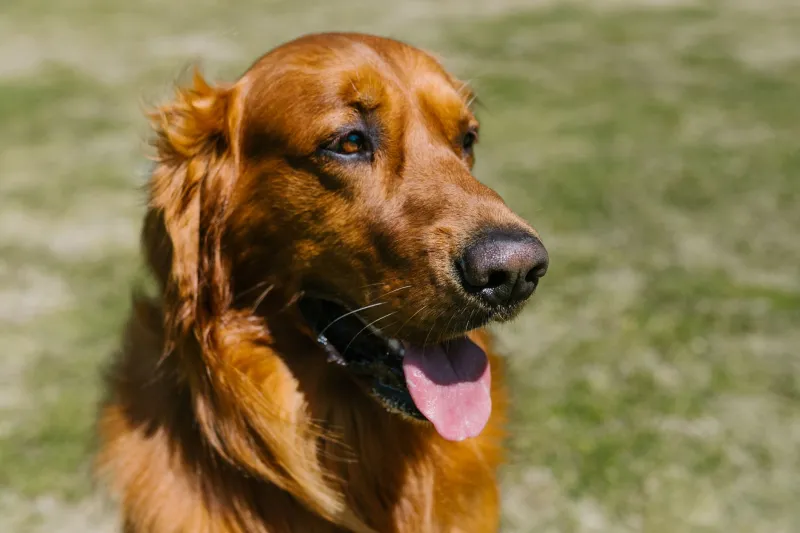
Labrador Retrievers, Golden Retrievers, German Shepherds, Huskies, and Malamutes all carry double coats — and there's a persistent myth that you should shave them in summer to help them stay cool. In most cases, this is actually counterproductive.
A double coat acts as insulation in both directions. It traps cool air close to the skin and creates a barrier against direct solar radiation. Shaving removes that buffer and can leave your dog more vulnerable to sunburn and heat absorption, not less.
What these breeds do need:
- Regular brushing to remove dead undercoat, which blocks airflow when it builds up.
- Fresh, cool water available at all times — change it frequently, as water left in direct sun can become uncomfortably warm quickly.
- Shaded outdoor spaces with good airflow, not just shade (a covered concrete patio holds heat; a shaded grassy area is better).
- Exercise limited to the coolest parts of the day, ideally before 7 a.m. in peak summer.
Short-Coated and Lean-Bodied Breeds: Better Suited, But Not Immune
Breeds like Vizslas, Weimaraners, Greyhounds, and Whippets handle heat somewhat better thanks to their lean builds and short coats, but they're not invincible. Their low body fat means they can overheat faster than you'd expect during intense physical activity.
These breeds benefit from:
- Access to a kiddie pool or shallow water feature for cooling down after activity.
- Paw protection — booties or paw wax — on hot pavement.
- Knowing their individual limits. Some dogs will push themselves past the point of safety when chasing a ball. It's your job to call the session before they do.
Recognizing Heat Stress Before It Becomes an Emergency
Regardless of breed, every Arizona dog owner should know the early warning signs of heat-related illness:
- Excessive, frantic panting that doesn't slow down with rest
- Thick, ropy saliva or drooling more than usual
- Bright red or pale gums
- Stumbling, disorientation, or sudden weakness
- Vomiting or diarrhea during or after outdoor activity
If you notice any of these signs, move your dog to a cool environment immediately. Apply cool (not ice cold) water to their paw pads, groin, and armpits. Offer small amounts of water to drink. Get to a vet as quickly as possible — heat stroke progresses fast.
Practical Summer Adjustments Every Arizona Dog Owner Should Make
Beyond breed-specific considerations, there are universal habits that make a real difference during Arizona summers:
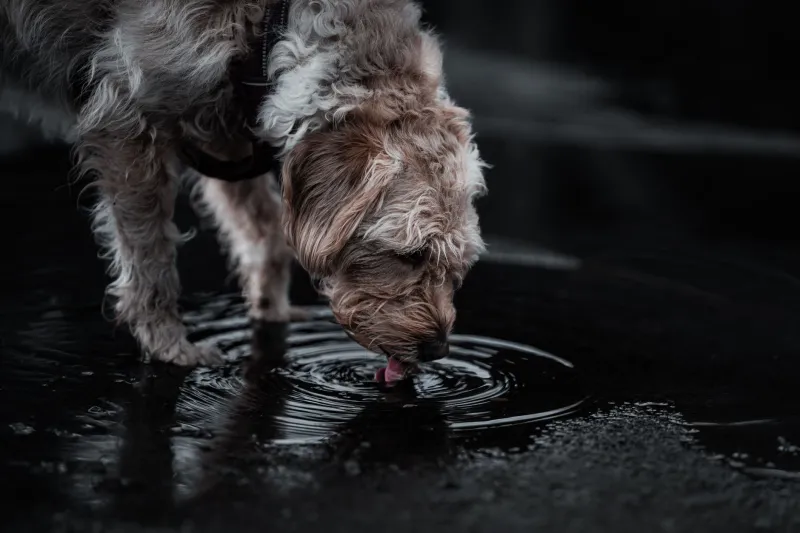
Hydration is non-negotiable. A good rule of thumb is one ounce of water per pound of body weight per day — more during hot weather or activity. Carry water on every walk.
Check the pavement. Press the back of your hand to the ground for seven seconds. If it's uncomfortable for you, it's damaging your dog's paws. Walk on grass when possible, or invest in protective booties.
Rethink your walk schedule entirely. A 6 a.m. walk and an 8 p.m. walk is a reasonable Arizona summer routine. Midday walks in July are simply not worth the risk.
Create cool zones at home. Cooling mats, fans, and a cool tile floor can all help a dog regulate their temperature indoors. If your home isn't air-conditioned, find a solution before summer peaks.
The Breeding Connection
One thing we think about a lot at Applewood Kennels is how breeding decisions affect a dog's ability to handle Arizona's environment. Dogs from health-tested lines with good cardiac and respiratory function simply cope better in extreme heat. Genetic health isn't just about avoiding disease — it's about resilience.
When you choose a puppy from a responsible breeder who understands the demands of desert living, you're not just getting a healthier dog in the abstract. You're getting a dog that's better equipped to share your specific life, in your specific climate.
Arizona summers are intense. But with the right preparation and the right dog, they're absolutely manageable — and the mild winters that follow make it all worth it.