What Nobody Tells You About the First Year: The Real Cost of Bringing Home a Puppy
You've done the research. You've picked the breed. You've maybe even put down a deposit. And you're feeling pretty good about the number on that breeder's invoice — because hey, you saved up for it, you planned for it, and now you're ready.
Except here's the thing: that number? It's just the starting line.
At Applewood Kennels, we've worked with enough first-time dog owners to know that the biggest financial surprises don't come from the purchase price — they come from everything that happens after you load that puppy into your car and drive home. So before you hit the road, let's talk real numbers.
The Vet Bills Start Immediately (And They Don't Slow Down)
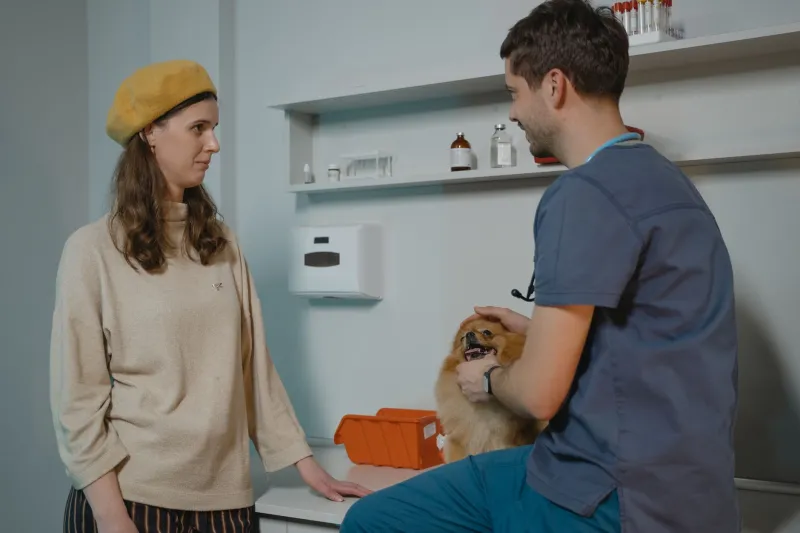
Your puppy's first wellness visit should happen within a few days of bringing them home. Even if your breeder has already completed an initial health check, your own vet will want to establish a baseline. Expect to pay anywhere from $75 to $150 for that first visit, plus additional costs for any boosters or deworming treatments not already completed.
Then come the vaccines. A full puppy vaccination series — typically spread across three or four visits in the first few months — can run $200 to $400 depending on your area and clinic. Add in the rabies vaccine, which is legally required in most states, and you're looking at another $20 to $40.
Spay or neuter surgery, usually recommended between six months and a year depending on the breed, is another significant line item. Budget $300 to $600 for a standard procedure at a private veterinary clinic, though low-cost options through local animal welfare organizations can reduce that considerably.
Bottom line for year-one vet care alone? Most new puppy owners spend $700 to $1,500 before their dog ever has a sick day.
Emergency Funds: Not Optional, Just Uncomfortable to Think About
Puppies are curious, clumsy, and occasionally suicidal in their decision-making. They eat socks. They tumble down stairs. They find the one toxic plant in the backyard.
An emergency vet visit can run anywhere from $500 to $5,000 depending on what's happening and how fast it's happening. If surgery is involved — say, for an intestinal obstruction from that sock — you could be looking at $3,000 to $6,000 or more.
Pet insurance is worth serious consideration. Monthly premiums for puppies typically range from $30 to $70, and while there's always fine print to navigate, a good policy can save you from having to make heartbreaking decisions based on your bank account. If you'd rather self-insure, financial advisors generally recommend keeping $1,000 to $2,000 in a dedicated pet emergency fund.
This is also one of the clearest arguments for choosing a responsibly bred dog. Dogs from reputable breeders who screen for genetic conditions are statistically less likely to develop costly hereditary health problems. Saving a few hundred dollars on purchase price by going through a backyard breeder or pet store often leads to thousands in medical bills within the first few years.
Food Is More Than a Bag of Kibble
Quality nutrition matters — a lot — especially during the developmental window of puppyhood. A good large-breed puppy formula or breed-specific food can cost $60 to $120 per month, depending on the size of your dog and the quality of the food.
Over a full year, that's $720 to $1,440 just in kibble. Factor in treats (training rewards alone can add up quickly), supplements like fish oil or joint support, and the occasional special diet if your vet recommends one, and food costs can easily top $1,800 annually.
Skimping here often leads to more vet visits. It's a pattern we've seen play out too many times.
Training: Worth Every Penny
A well-trained dog is a joy. An untrained dog is a liability — emotionally and sometimes financially.
Group puppy obedience classes typically run $150 to $300 for a multi-week session. Private trainers charge anywhere from $75 to $150 per hour. If behavioral issues develop — fear, aggression, separation anxiety — a certified behaviorist can cost $200 to $500 per session, and you may need multiple sessions.
Investing in at least a basic obedience course in year one is one of the smartest financial decisions you can make. It prevents problems that are far more expensive to fix later.
The Gear List Nobody Hands You
Crate, bed, leash, collar, harness, food bowls, puzzle toys, chew toys, baby gates — the startup equipment list for a new puppy adds up faster than most people expect. A realistic first-year gear budget sits somewhere between $300 and $600, and that's before you replace anything your puppy destroys (and they will destroy something).
Grooming and Boarding: The Ongoing Overhead
Depending on your breed, professional grooming may be necessary every six to eight weeks. Grooming costs range from $50 to $150 per session for most breeds. Over a year, that's potentially $600 to $1,200 in grooming alone.
Boarding or pet-sitting costs vary widely by region and service level, but budgeting $500 to $1,000 annually for times when you travel is reasonable.
So What's the Real Number?
When you add it all up — vet care, food, training, supplies, grooming, emergency reserves, and boarding — first-time dog owners should realistically plan to spend $3,000 to $5,000 in year one, on top of the purchase price. Some breeds and some households will be on the lower end. Some will exceed it.
None of this is meant to scare you off. It's meant to prepare you — because a prepared owner is a better owner, and a better owner means a happier dog. At Applewood Kennels, we'd rather have this conversation with you before you bring a puppy home than watch you struggle through it afterward.
The best investment you can make isn't just in the right puppy. It's in understanding what that puppy actually needs to thrive.